Dental Hygiene
To Chew a Stick or Not to Chew a Stick? The Truth About Natural Toothbrushes
Discover how miswaks compare with modern brushing. Learn practical oral-hygiene tips from Uxbridge Dental Care in Calgary’s northwest.
You may think that chewing a stick can severely damage your teeth, but some of our ancestors—and many today—would think otherwise. Throughout human civilization, different cultures developed unique techniques to maintain oral hygiene. It has long been understood that oral health is a key indicator of overall health. The mouth can be an entryway or source of several systemic diseases.
In the Arab world and beyond, many have used wooden sticks called siwaks or miswaks as natural toothbrushes for centuries. These are among the oldest known toothbrushes, made from the stems, twigs, and roots of the Arak tree (Salvadora persica). Often referred to as toothbrush trees, these plants are native to India, the Middle East, and Africa.
The Benefits of Using Miswaks
The natural compounds found in miswaks, such as salvadorine and benzylisothiocyanate, have anti-plaque properties that help reduce decay-causing bacteria. The fibers provide abrasive action to remove food particles and plaque, while their earthy and slightly bitter taste stimulates saliva flow, which aids in enamel remineralization. Additionally, miswaks are widely used during the Holy Month of Ramadan, as they help eliminate bad breath caused by odor-causing bacteria.
According to several clinical studies, miswaks can be as effective as modern toothpaste and toothbrushes when used properly. However, like any oral hygiene tool, they must be used correctly. Applying too much pressure, using them too frequently on the gums, or using a dry miswak can lead to gum recession. Some studies have noted that improper use may negatively affect overall periodontal and gum health.
Should You Try a Miswak?
Before incorporating miswaks into your routine, consulting with a Northwest Dentist is a good idea. A professional can determine whether this natural toothbrush is the right fit for your oral health needs and ensure you’re using it properly.
How to Use a Miswak
-
Prepare the stick – Scrape off the outer bark from one end and wash it.
-
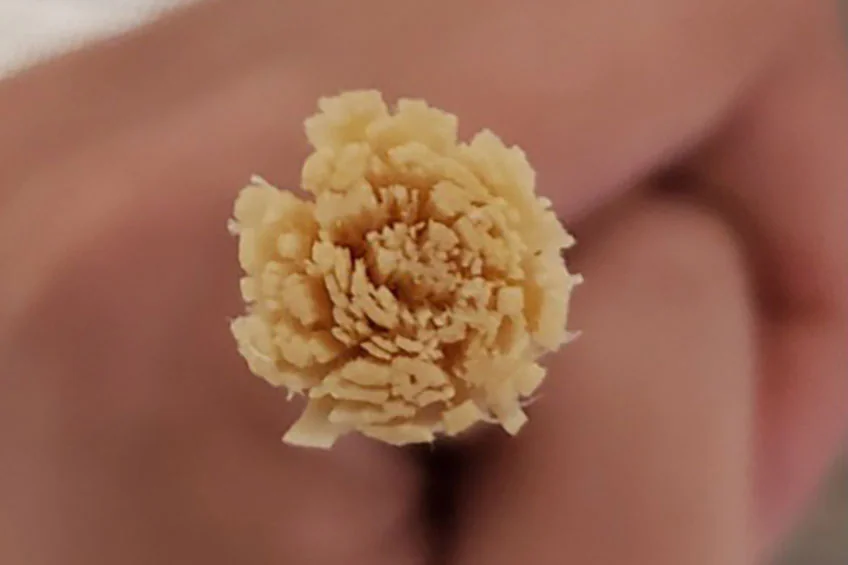
Create bristles – Chew the exposed end to separate the fibers into brush-like strands.
-
Brush properly – Use horizontal strokes to clean teeth, just as you would with a toothbrush.
-
Replace as needed – When the fibers wear down and lose their flavor, trim the end and peel back fresh bark to create a new bristle tip.
At Uxbridge Dental Care in Calgary’s northwest, we encourage patients to explore different methods of maintaining oral hygiene while using safe and effective techniques. Whether you stick to modern toothpaste or want to ask about a miswak, maintaining a proper routine is key to a healthy smile. For professional support with plaque control and cleanings, see our dental hygiene care.
Close up of the bristles created by chewing
Your RDA Khadija