Assessment-Led Care
Night guard recommendations follow an individual review of your teeth, bite and concerns.

Protective Dental Appliances
If you grind or clench your teeth, wake with tooth or jaw discomfort, or are concerned about wear on your teeth or dental work, Uxbridge Dental Care can assess whether a custom night guard may be appropriate.
Night guard recommendations follow an individual review of your teeth, bite and concerns.
Protective appliances sit within ongoing general and family dental care when appropriate.
Individuals and families can ask about custom night guards at our clinic.
Convenient care near Foothills Medical Centre and the University of Calgary area.
Overview
A night guard is a removable dental appliance worn during sleep. It is intended to help protect teeth and restorations from grinding or clenching forces. A custom night guard is made for the individual after assessment.
Not every patient is a candidate. Assessment helps determine whether a night guard may be appropriate for your situation.
Reasons patients ask
These situations can lead to a discussion about night guards. They do not automatically mean a night guard is appropriate. Other dental or medical causes may need consideration.
Worn tooth surfaces may lead someone to ask whether a night guard could help protect teeth.
Chips, cracks or wear to dental work may raise questions about nighttime grinding or clenching forces.
Some patients with jaw-muscle fatigue or discomfort ask whether a night guard may be appropriate.
Patients who notice grinding or clenching — or who have been told they grind — may ask about protection.
Tooth sensitivity or concerns about progressive wear may prompt a discussion about protective options.
Crowns, veneers, bonding or other restorations may benefit from protection when grinding or clenching forces are a concern.
Ongoing wear patterns that return over time may lead to an assessment of protective appliance options.
Assessment first
Night guard recommendations follow examination and planning — not website descriptions alone. These are considerations, not universal eligibility rules.
The exact assessment and plan vary by patient.
Treatment journey
Steps are individualized. Exact records, timing and follow-up are confirmed during planning.
Important distinction
These appliances serve different purposes. Suitability and recommendations are individual.
Worn during sleep.
Used in relation to grinding, clenching or tooth-wear concerns.
Suitability is based on dental assessment.
Worn during sport or athletic activity.
Intended to help protect teeth during impact.
These appliances have different purposes and should not be treated as interchangeable.
Ongoing care
Daily habits and professional care help support night-guard use and oral health over time. Learn more about dental hygiene.
Use and care for the night guard according to the guidance given for your appliance.
Clean the night guard as instructed for your device.
Store the night guard in its case when not in use to help protect it.
Keep the appliance away from heat that could warp or damage it.
Ongoing brushing, cleaning between teeth and professional hygiene care remain important.
Contact the clinic if the night guard feels different, becomes damaged or causes new discomfort.
Existing night guards
If your night guard or your mouth has changed, request an assessment. These concerns are reasons to call — not online diagnoses. Repair or reline is not promised for every night guard or for guards made elsewhere. Assessment determines the next step.
A night guard that no longer seats the same way should be checked.
Visible cracks, wear or deformation should be assessed.
New tooth, gum or jaw discomfort with night-guard use needs review.
A different bite feel in the morning or after wear may need assessment.
New restorations or other dental changes may affect night-guard fit.
A guard that no longer seats fully should be reviewed.
Changes in tooth-wear concerns or jaw-muscle comfort may warrant reassessment.
Ask if you are unsure whether continued use remains appropriate.
Longevity
There is no single lifespan for every night guard. Longevity depends on several factors. Night guards may need adjustment or replacement over time.
Heavier forces may wear an appliance more quickly for some patients.
Frequency of use can influence how long a night guard remains serviceable.
Appliance design and materials vary; exact details are confirmed during planning.
Cleaning, storage and avoiding damaging heat help support longevity.
New restorations, tooth movement or other dental changes can affect fit over time.
Cracks, warping or other damage may mean adjustment or replacement is needed.
Where relevant, growth or orthodontic changes can affect how a night guard fits.
Why Uxbridge
Practical reasons patients ask Uxbridge about custom night guards in University Heights, NW Calgary.
Night guard recommendations follow oral assessment and planning — not a one-size approach.
Protective appliance care connects with ongoing general and family dentistry. General & family dentistry
Hygiene and dental reviews remain part of long-term oral health around night-guard use. Dental hygiene
Athletic mouth protection is a different pathway when the concern is sports impact. Sports mouthguards
Dental sleep appliances related to sleep apnea are a separate care pathway. Sleep apnea devices
Convenient NW Calgary care. New patients are welcome to ask about night guards. New patients
Getting started
Night guard discussions connect with family dentistry pathways. Coverage for a specific night guard should not be assumed.
New patients are welcome to ask about custom night guards.
New patientsOngoing dental care remains part of oral health around night-guard use.
General & family dentistryDental hygieneAsk about payment and billing. Clinic participation in CDCP does not mean night guards are covered.
Ask about night guardsLearn about CDCPLocation
We’re in the Uxborough Building near Foothills Medical Centre and the Calgary Cancer Centre. Looking for a dentist near Foothills Medical Centre or care in University Heights? Ask our team about custom night guards.
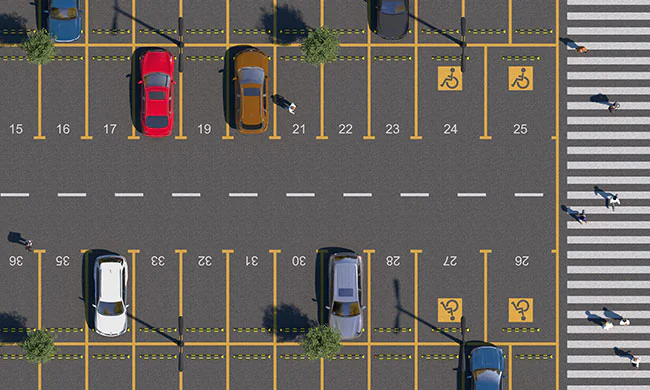
Complimentary parking is available at the Uxborough Building for patients during their appointments.
| Monday | 7:30 am – 4:00 pm |
|---|---|
| Tuesday | 11:30 am – 7:00 pm |
| Wednesday | 10:00 am – 5:00 pm |
| Thursday | 7:30 am – 4:00 pm |
| Friday | 8:00 am – 2:00 pm* |
| Saturday | 8:00 am – 2:00 pm** |
* Summer hours may vary
** Open select Saturdays
FAQ
A night guard is a removable dental appliance worn during sleep. It is intended to help protect teeth and restorations from grinding or clenching forces. Suitability is determined individually after assessment.
Yes. Uxbridge can discuss custom night guards for selected patients after an individualized dental assessment. Not every patient is a candidate.
Night guards may be discussed for concerns related to grinding, clenching, tooth wear, wear or damage to restorations, and certain jaw-muscle or bite-related concerns. Assessment determines whether a night guard may be appropriate.
Not necessarily. A night guard may help protect teeth and restorations from grinding or clenching forces, but it does not necessarily eliminate the underlying habit.
A night guard may help protect teeth from further grinding or clenching forces after assessment. It does not reverse existing wear, and protection is not guaranteed in every situation.
Some patients with clenching concerns ask about a night guard to help protect teeth and restorations. Suitability and expected benefit are individual and are discussed during assessment.
Some patients with jaw-muscle fatigue or discomfort may ask whether a night guard is appropriate. A night guard is not presented as treatment or a cure for TMJ/TMD disorders, and results are not guaranteed.
No. Night guards are used during sleep and relate to grinding, clenching or tooth-wear concerns. Sports mouthguards are used during athletics to help protect teeth during sport. They are not interchangeable.
No. A night guard is a protective appliance for grinding or clenching-related concerns. Sleep apnea devices relate to dental appliance care within broader medical sleep-apnea management. Night guards are not presented as sleep-apnea or snoring treatment.
If a night guard is appropriate, the records and steps needed to provide it are arranged according to your individual treatment plan. Exact fabrication details are confirmed during planning rather than promised on this page.
Timing varies with the treatment plan and clinical findings. We do not publish a fixed turnaround time that fits every case.
There is no single lifespan for every night guard. Longevity depends on forces, wear frequency, design, care, dental changes and damage. Adjustment or replacement may be needed over time.
Follow the care instructions provided for your night guard. Keep it clean, store it safely and avoid damaging heat. Specific cleaning products are confirmed with your care plan rather than listed here.
Contact the clinic for assessment. Significant or new discomfort should be reviewed rather than ignored. Do not assume every discomfort will resolve without evaluation.
Dental changes can affect fit. Request an assessment so the night guard and your mouth can be reviewed.
Coverage depends on your plan and the treatment recommended. Uxbridge direct bills most dental insurance plans for eligible treatment, but coverage for a night guard is not guaranteed.
CDCP participation does not mean night guards are covered. Coverage depends on eligibility, current program rules and the specific treatment recommended.
Uxbridge welcomes new and existing patients to discuss whether a custom night guard may be appropriate at our University Heights clinic in NW Calgary.