Routine & Wisdom Tooth Extractions
Uxbridge provides routine and wisdom tooth extractions as part of general dental care.

Oral Care
Uxbridge Dental Care provides tooth extractions and wisdom teeth removal in Calgary. Our clinic is in University Heights, NW Calgary. Treatment begins with an assessment, and some cases may be referred to an oral surgeon when specialist care is appropriate.
Uxbridge provides routine and wisdom tooth extractions as part of general dental care.
Some cases may be referred to an oral surgeon depending on complexity and clinical findings.
Individuals and families can request an extraction assessment at our clinic.
Convenient care near Foothills Medical Centre and the University of Calgary area.
Assessment
These situations can be reasons to discuss extraction, but they do not automatically mean a tooth must be removed. Assessment comes first.
A tooth that may no longer be predictably restored with other treatment.
Decay that may leave too little sound tooth structure to restore reliably.
Significant fracture or injury that may make retaining the tooth unsuitable.
Advanced bone or support loss that may affect whether a tooth can be retained.
Infection where another treatment may not be an appropriate option after assessment.
Extraction may be considered as part of orthodontic planning when clinically indicated.
Wisdom teeth that may be painful, difficult to clean, partially erupted or otherwise concerning.
Routine extractions
Some teeth can be removed in a general dental setting after assessment. Complexity varies. The dentist considers tooth position, roots, surrounding structures, medical history and other clinical factors before recommending a plan.
Not every erupted tooth is simple to remove. Assessment determines what approach may be appropriate — including whether referral is advisable.
Wisdom teeth
Wisdom teeth are third molars. Some erupt without creating problems and may not require removal. Others may be difficult to clean, partially erupted, painful, decayed, inflamed or otherwise problematic.
Assessment determines whether monitoring, wisdom teeth removal at the clinic, or referral is appropriate. Not everyone needs their wisdom teeth removed.
Wisdom teeth
These signs do not automatically mean your wisdom teeth need to be removed. A dental assessment is needed to determine the cause and appropriate next steps.
Pain or tenderness at the back of the jaw.
Swelling around a wisdom-tooth area.
Repeated irritation or inflammation around a wisdom tooth.
Difficulty cleaning around a wisdom tooth.
Food collecting around a wisdom tooth more than usual.
Concern about decay involving a wisdom tooth.
Pressure, damage or other concerns involving neighbouring teeth.
A wisdom tooth that has only partly come through the gum.
Significant or worsening pain or swelling should be assessed promptly — emergency dental care.
Assessment first
Treatment recommendations follow examination and planning — not website symptoms alone.
The exact assessment and treatment plan varies by patient.
Your visit
Exact steps can vary. Wisdom-tooth procedures may differ depending on tooth position and complexity. This outline describes what patients can typically expect without promising a fixed surgical technique or visit length.
Confirm findings and discuss whether extraction or another option is appropriate.
The treatment area is numbed before the procedure begins.
The tooth is removed using the approach appropriate for the individual case.
The area is assessed after removal.
You receive personalized instructions for care after the appointment.
Further review or referral may be recommended depending on healing and clinical findings.
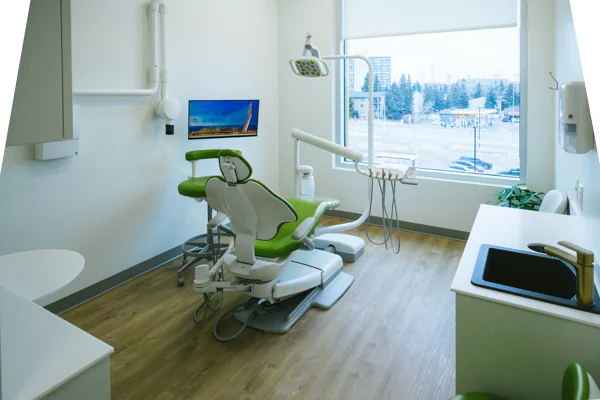
Comfort
Local anaesthetic is used for extraction treatment. Experiences vary — we do not promise pain-free or painless extractions.
Extractions are performed with local anaesthetic so the treatment area is numb.
Comfort during and after treatment can differ from person to person.
If you feel anxious about treatment, tell our team. Comfort and sedation options can be discussed when clinically appropriate. Sedation dentistry
We do not promise pain-free or painless extractions. Tenderness afterward is possible.
Aftercare
Healing varies. Detailed aftercare is provided directly for your appointment rather than as a universal website checklist.
Use the personalized post-operative instructions provided for your appointment.
Healing can differ depending on the tooth, procedure and individual factors.
Temporary tenderness or swelling may occur after an extraction.
Care for the site as instructed so healing can progress as expected.
Worsening pain, persistent bleeding, increasing swelling or other concerns should prompt contact with the clinic.
Complications can occur after extraction. Worsening or severe pain, persistent bleeding, swelling, fever or other medical symptoms should prompt contact with the clinic or emergency dental care. Website information cannot diagnose dry socket or other complications.
Referral
Uxbridge performs routine and wisdom tooth extractions. Some cases may be more complex due to tooth position, anatomy, medical considerations, proximity to important structures, sedation needs or other factors. When appropriate, Uxbridge may recommend oral-surgeon assessment or treatment. Uxbridge is not an oral surgery specialist clinic.
Treatment decisions
Root canal treatment may be considered when a damaged or infected tooth is suitable to retain. Extraction may be appropriate when a tooth cannot predictably be restored or other clinical factors support removal. The decision follows assessment — neither option is universally superior.
Learn more about root canal treatment.
Next steps
Some missing-tooth spaces may not require replacement, while others may benefit from restorative planning. Options depend on location, bite, neighbouring teeth, oral health and your goals.
Uxbridge can discuss appropriate next steps — including dental crowns & bridges or dentures where relevant. Uxbridge does not place dental implants.
Why Uxbridge
Practical reasons patients choose Uxbridge for extraction assessment and care in University Heights, NW Calgary.
Uxbridge provides both routine and wisdom tooth extractions after assessment.
Recommendations follow examination so treatment plans match clinical findings.
Some cases may benefit from oral-surgeon assessment or treatment depending on complexity.
Significant pain or swelling can be directed to emergency dental care. Emergency dental care
Extractions sit within ongoing general and family dentistry. General & family dentistry
New patients are welcome. We direct bill most plans; CDCP coverage depends on eligibility and treatment. New patients
Getting started
Extraction care connects with family dentistry and coverage pathways. Uxbridge accepts CDCP and direct bills most dental insurance plans — coverage for a specific extraction is not guaranteed.
New patients are welcome to request an extraction assessment.
New patientsOngoing dental care for individuals and families in NW Calgary.
General & family dentistryRoot canal treatmentAsk about direct billing and see CDCP for general program information. Coverage depends on your plan and treatment.
Learn about CDCPEmergency dental careCrowns & bridgesDenturesLocation
We’re in the Uxborough Building near Foothills Medical Centre and the Calgary Cancer Centre. Looking for a dentist near Foothills Medical Centre or care in University Heights? Request an extraction assessment with our team.
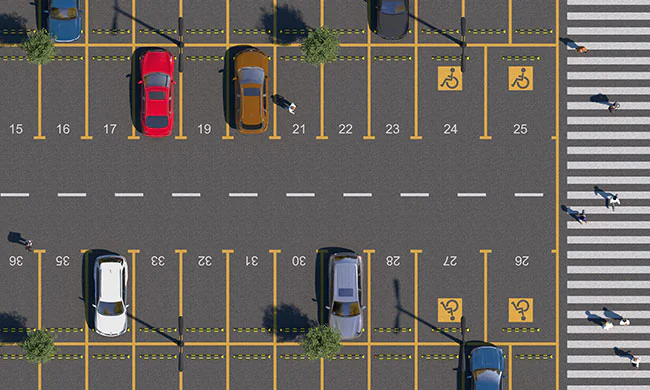
Complimentary parking is available at the Uxborough Building for patients during their appointments.
| Monday | 7:30 am – 4:00 pm |
|---|---|
| Tuesday | 11:30 am – 7:00 pm |
| Wednesday | 10:00 am – 5:00 pm |
| Thursday | 7:30 am – 4:00 pm |
| Friday | 8:00 am – 2:00 pm* |
| Saturday | 8:00 am – 2:00 pm** |
* Summer hours may vary
** Open select Saturdays
FAQ
Yes. Uxbridge Dental Care provides tooth extractions. Some more complex cases may be referred to an oral surgeon depending on clinical needs.
Uxbridge provides routine tooth extractions and wisdom teeth removal when an assessment supports treatment at the clinic. Some wisdom teeth may be monitored, and some cases are referred to an oral surgeon. Assessment determines which path is appropriate.
No. Not everyone needs wisdom teeth removed. Some wisdom teeth erupt without creating problems and may be monitored. Removal is considered when clinically appropriate.
Pain, swelling, irritation, difficulty cleaning, food trapping, decay concerns or partial eruption may warrant assessment. These signs do not automatically mean removal is required.
Imaging may be recommended when clinically useful. Exact imaging needs vary by case and are determined after assessment — not by a fixed website rule.
Local anaesthetic is used during extraction treatment. Patient experiences vary, and some tenderness may occur afterward. We do not promise pain-free or painless extractions.
Appointment length varies with the tooth, complexity and clinical findings. There is no single duration that fits every extraction.
Recovery varies by tooth, procedure and individual healing. Your dentist provides personalized aftercare guidance rather than a universal timeline.
Dry socket is a possible complication after extraction that can involve significant pain as the healing site is disturbed. Website information cannot diagnose dry socket. Contact the clinic if symptoms are concerning.
Contact the clinic for worsening pain, persistent bleeding, increasing swelling, fever or other concerning symptoms. Significant or urgent problems can also follow the emergency dental care pathway.
Uxbridge performs routine and wisdom tooth extractions. Some cases may benefit from specialist assessment or treatment due to complexity, anatomy, medical considerations or other factors. Referral can be discussed when appropriate. Uxbridge is not an oral surgery specialist clinic.
Sometimes. Root canal treatment may be considered when a tooth is suitable to retain. Extraction may be appropriate when a tooth cannot predictably be restored or other factors support removal. The decision follows assessment.
Some spaces may not require replacement while others may benefit from restorative planning. Options depend on location, bite, neighbouring teeth, oral health and goals. Uxbridge does not place dental implants.
Yes. New patients are welcome to request an extraction assessment at our University Heights clinic.
Uxbridge direct bills most dental insurance plans. Coverage for extractions varies by plan and treatment. Patients remain responsible for amounts not covered.
CDCP may help with eligible oral surgery or extraction services where program criteria are met, but a specific extraction is not guaranteed to be covered or fully covered. Coverage depends on eligibility, current rules and the treatment recommended.
Uxbridge welcomes new and existing patients for tooth extraction and wisdom-tooth assessment at our University Heights clinic in NW Calgary.