
Restorative Dentistry
Root Canal vs. Tooth Extraction: How Do Dentists Decide?
Wondering whether you need a root canal or tooth extraction? Learn how dentists assess your options and when to seek care in NW Calgary.
On this page
When you have a badly damaged or painful tooth, one of the first questions you might ask is whether it can be saved. Is a root canal the better option, or does the tooth need to be removed?
Both treatments address different dental problems, and the right choice isn’t always obvious. Understanding how dentists make that decision can help you feel more prepared when discussing your treatment options.
Why Dentists Often Try to Save a Natural Tooth
A natural tooth is built for chewing. Keeping it, when that is clinically appropriate, also avoids having to replace a missing tooth right away.
Saving a tooth is a common goal when the findings support it. It is not always possible, and it is not always the more predictable choice. Too little remaining structure, weak bone support, or an uncertain longer-term outlook can make removal the better plan.
When Is Root Canal Treatment Recommended?
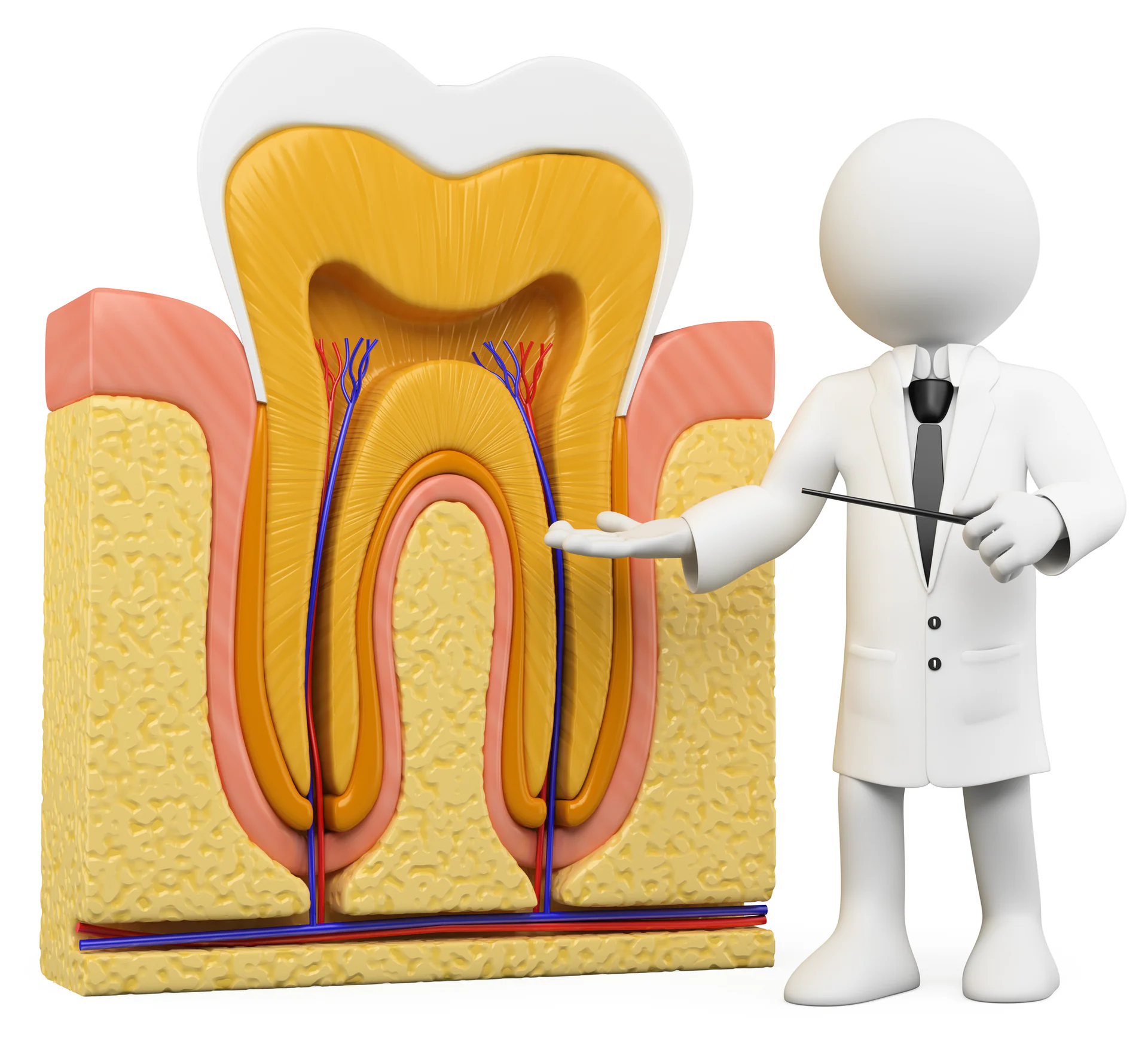
Each tooth has a soft centre called the pulp, which holds nerves and blood vessels. Deep decay, a crack, or an injury can leave that tissue inflamed or infected. The tooth may then hurt, and the tissues around the root can become involved.
Root canal treatment removes the affected pulp, cleans the canal space inside the root, and fills and seals it. Uxbridge Dental Care provides this treatment as part of general dental care. Some more complex cases are referred to an endodontist.
Enough sound tooth structure has to remain. A root canal treats the inside of the tooth. It does not rebuild structure that decay or a fracture has already destroyed. If there is not enough tooth left to hold a filling or a crown, treatment may not be predictable. The tooth has to be assessed for restorability before a plan is made.
After the canals are sealed, the tooth still needs a restoration. Depending on the remaining structure and the bite, that may be a filling, a crown, or another approach. A crown is sometimes the more protective choice. It is not required after every root canal, and root canal treatment does not guarantee that the tooth will be kept long term.
When Might Tooth Extraction Be Necessary?
Tooth extraction may be considered when keeping the tooth is unlikely to give a stable result. That can include severe structural damage, certain fractures that leave the tooth unrestorable, and advanced periodontal disease, which is gum disease that has weakened the bone and ligament holding the tooth. A tooth that cannot be predictably restored belongs in this group as well. Decay or a break can leave too little tooth to rebuild, even when a pulp infection could otherwise be treated.
An infected tooth does not automatically need to be removed. It can often be treated and kept when the remaining structure and support are sound enough. Extraction is one option after assessment, not the default for every sore tooth.
Removal may also be considered when a tooth interferes with other planned care, or when a wisdom tooth is painful, hard to clean, or affecting the tooth beside it. Uxbridge provides routine extractions and wisdom tooth removal after assessment. Some cases are referred to an oral surgeon.
How Does a Dentist Decide Between the Two?
The choice of root canal or extraction is individual. An assessment usually includes:
- Your symptoms, and how they have changed
- Dental and medical history
- Examination of the tooth and gums
- Dental X-rays, when they would help explain the findings
- Remaining healthy tooth structure
- Periodontal health, including the supporting bone
- The likely longer-term outlook
- Your preferences, and what further treatment would involve
Similar pain can still lead to different treatment. A toothache may need neither procedure, and a tooth that looks restorable at first may not be. If you are deciding whether to save a tooth or extract it, that conversation should follow these findings. The dentist should explain why one option is recommended and what the other would involve.
Root Canal vs. Extraction: Recovery and Long-Term Considerations
Treatment approach. Root canal treatment cleans and seals the inside of the tooth, then restores it, so the tooth stays. Extraction removes the tooth. Local anaesthetic is used for both. Comfort varies, and neither procedure is promised to be painless.
Recovery. Some tenderness is possible after either visit. Healing depends on the tooth, the procedure, and the person, so there is no single recovery time. You leave with instructions for your situation. Call the clinic if pain, swelling, or bleeding is worsening rather than settling.
Further care. A root-canal-treated tooth still needs a suitable restoration. That may or may not be a crown. After an extraction, some spaces do not need replacement. When replacement is appropriate, a bridge is one option, depending on the bite, the neighbouring teeth, and your goals. Dental implants are another way missing teeth are replaced. Uxbridge does not place dental implants.
Longer term. A kept tooth can continue to chew if it stays healthy and the restoration holds. Treatment does not promise how long that will be. The space after removal can affect chewing and the teeth beside it, so replacement is sometimes discussed and sometimes unnecessary. Neither choice is always better.
Cost. The total cost is more than one procedure fee. It can include the assessment, the root canal or the extraction, a later filling or crown, and any replacement after a tooth is removed. Complexity and dental plan coverage both change what you pay. Coverage is not the same for every person or service. This article does not quote fees.
What If You Are Experiencing Tooth Pain?
Pain that persists, returns, or gets in the way of eating or sleeping should be assessed. Swelling, a fever, or increasing pain are further reasons to be seen promptly.
Pain alone does not decide between a root canal and an extraction. The same ache can come from decay, a crack, a gum infection, or a problem that needs different care.
Rapidly spreading swelling, difficulty breathing, or difficulty swallowing needs emergency medical attention. Call emergency services or go to an emergency department. For significant tooth pain, a broken tooth, or swelling that is not affecting breathing or swallowing, start with emergency dental care. A call arranges an assessment. It does not mean a particular treatment will be done the same day.
Dental Assessments in University Heights, NW Calgary
Uxbridge Dental Care is a general dental clinic in University Heights, in northwest Calgary. If you are unsure whether a damaged or painful tooth can be saved, an assessment is the useful next step. The dentist examines the tooth, explains the findings, and talks through the options that fit, including root canal treatment or extraction when one of those is appropriate.
Not sure whether your tooth can be saved? The team at Uxbridge Dental Care in University Heights, NW Calgary, can assess your tooth, explain your treatment options, and help you understand the next steps. Contact our clinic to arrange an appointment.